


Ford F150 vs Ram 1500: Which Truck Wins
Ford F150 vs Ram 1500: Which Truck Wins?
Choosing between two of America’s most legendary trucks is tough, and many buyers have trouble deciding between the Ford F-150 and Ram 1500. Both have earned great reputations over decades. It’s hard to decide when both are so iconic.
Louisiana drivers have unique needs. Whether hauling equipment, towing a boat, or driving in Baton Rouge, your truck must meet these demands.
Each truck offers something unique. One has diverse powertrain options and sharp handling. The other provides class-leading comfort and a smooth ride.
We’ve looked at testing data, real-world performance, and owner feedback. At Autoplex 2000, we help you compare both trucks. Our team can match your needs with the best truck for your lifestyle, covering specs, tech, and price. Be sure to take all relevant factors into account when comparing the Ford F-150 vs Ram 1500 to make the best choice for you.
Key Takeaways
- Hybrid technology delivers 20 MPG highway versus 18 MPG for traditional powertrains in comparable testing
- Acceleration performance varies by just 0.2 seconds to 60 mph between the tested models
- One truck prioritizes versatile performance and driving dynamics while the other focuses on interior luxury and ride comfort
- Louisiana-specific needs like towing capacity, payload ratings, and daily driving comfort significantly influence the best choice
- Comprehensive testing data reveals both trucks achieve 16 MPG in combined real-world driving conditions
Introduction to Pickup Trucks
The world of pickup trucks is more dynamic than ever, with brands like Ford and Ram constantly raising the bar for what full size trucks can offer. Whether you’re searching for a new truck to handle tough jobs, family adventures, or daily commutes, understanding the differences between the Ford F-150 and Ram 1500 is essential. These trucks are engineered to deliver impressive towing capacity, advanced safety features, and spacious interiors, making them top contenders in the segment. In this comparison, we’ll break down the features, performance, and horsepower that set these vehicles apart, helping you navigate the crowded world of trucks. From the latest technology to real-world safety and interior comfort, our goal is to provide a clear, side-by-side look at the Ford F-150 and Ram 1500 so you can make the best choice for your needs.
Performance and Capability Showdown
The heart of any pickup truck is its powertrain. This showdown reveals interesting differences between two American favorites, especially when it comes to towing power. We’ve tested both trucks in Louisiana’s real-world conditions.
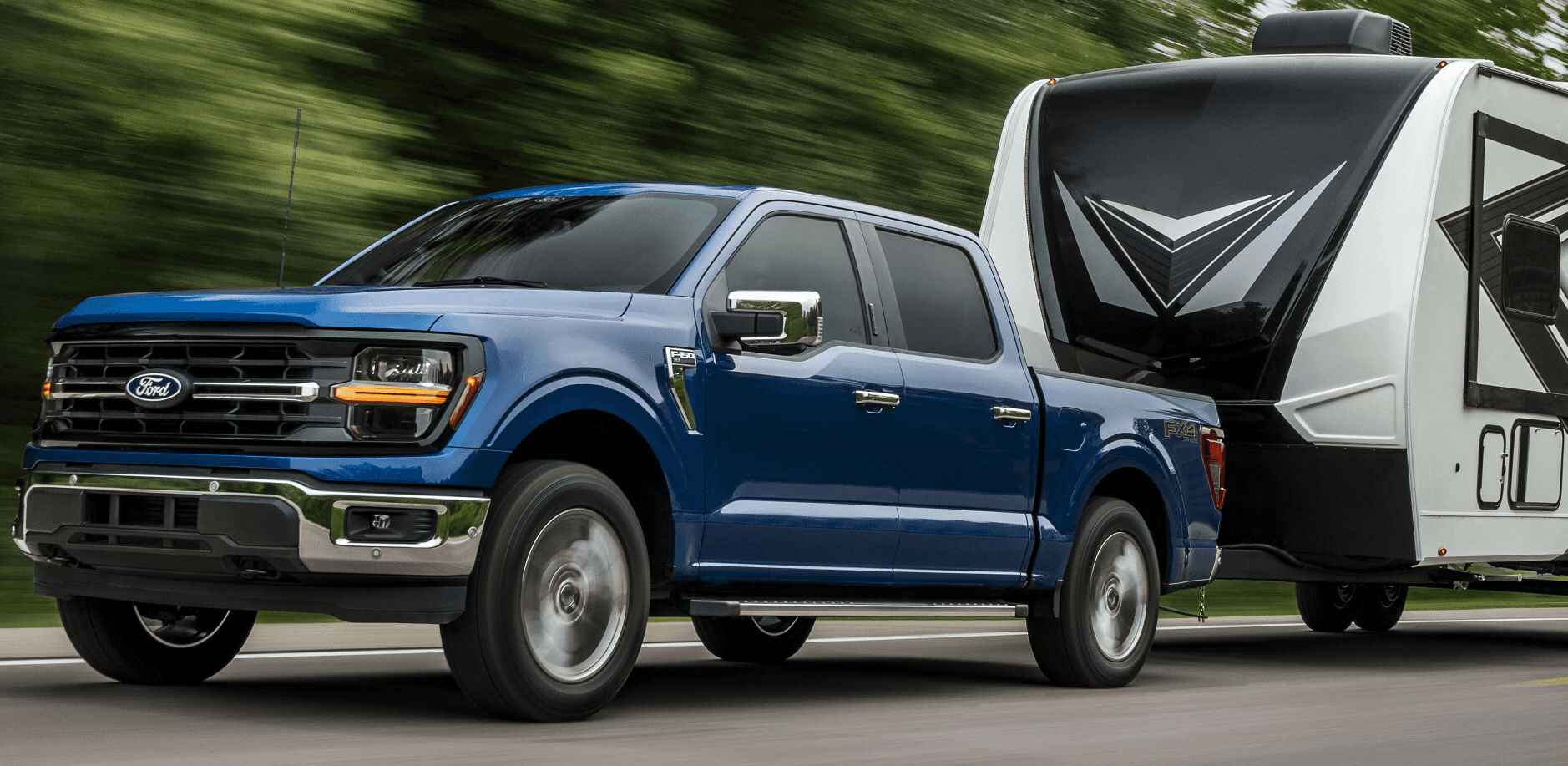
Engine choice affects everything about truck ownership. It impacts how you drive, how much you can tow, and your weekly fuel costs. When properly equipped, the Ford F-150 leads the class in towing capacity, able to tow up to 14,000 pounds, while the Ram 1500 can tow a maximum of 12,750 pounds in its most powerful configuration. The Ford F-150 also has a lower curb weight of 5,631 pounds compared to the Ram 1500’s 5,765 pounds, contributing to better grip and handling. Both manufacturers offer various powertrain options for different needs and budgets.
Engine Options and Power Delivery
Ford offers a wide range of engines, including turbocharged options and hybrids. Under the hood, the Ford F-150’s hybrid powertrain provides a combined output of 430 horsepower and 570 pound-feet of torque. Ram focuses on fewer but refined powertrains for smooth operation and reliability. The Ram 1500’s Hurricane twin-turbo 3.0-liter inline-six engine produces 420 horsepower and 469 pound-feet of torque.
These choices affect your daily drive, long-term maintenance, and resale value.
Ford F-150 Powertrain Choices
Ford has engines for every truck buyer. The 2.7L twin-turbo V6 EcoBoost is great for everyday driving. It has 325 horsepower and 400 lb-ft of torque, perfect for light towing and commuting.
The 5.0L V8 is for those who love natural power. It offers smooth acceleration without turbo lag. Many Louisiana contractors and ranchers trust it for its durability.
The 3.5L twin-turbo V6 EcoBoost is Ford’s most popular for serious work. It has massive torque for effortless towing. It’s respected by commercial users and recreational towers.
The PowerBoost hybrid is the top choice. It combines a 3.5L V6 with an electric motor for 430 horsepower and 570 lb-ft of torque. The $3,560 upgrade includes Pro Power Onboard, useful for powering appliances during hurricanes.
This onboard generator is great for Louisiana’s hurricane season. It powers essential appliances, runs power tools, or keeps camping gear running. All Ford engines come with a 10-speed automatic transmission for smooth performance.
Ram 1500 Powertrain Choices
Ram offers fewer but refined engine options. The base 3.6L Pentastar V6 has 305 horsepower and includes eTorque mild-hybrid technology. This system improves engine operation and provides extra torque.
The eTorque system works seamlessly in the background. It enhances the feel and slightly improves fuel economy. It adds minimal complexity while providing tangible benefits.
The legendary 5.7L HEMI V8 is Ram’s most popular choice. It has 395 horsepower and 410 lb-ft of torque with a distinctive rumble. It’s known for its reliability and power.
The Hurricane twin-turbo 3.0L inline-six is Ram’s newest addition. It has 420 horsepower and 469 lb-ft of torque, with better fuel economy than the HEMI. The $2,695 upgrade brings modern turbocharged technology.
In acceleration testing, the Hurricane-equipped Ram 1500 hit 60 mph in just 4.8 seconds. That’s quick for a full-size truck. All Ram engines connect to an eight-speed automatic transmission for smooth shifts.
Towing and Payload Capacity
Ford has the advantage in towing capacity, with up to 14,000 pounds. When properly equipped, the Ford F-150 can tow up to 13,500 pounds, making it ideal for large trailers, heavy equipment, or boat-and-trailer combinations. Louisiana families use these for fishing trips. When towing heavy loads, having the right tow mirrors is crucial for visibility and safety—features like power-adjustable mirrors with signals or manually folding tow mirrors can make a significant difference.
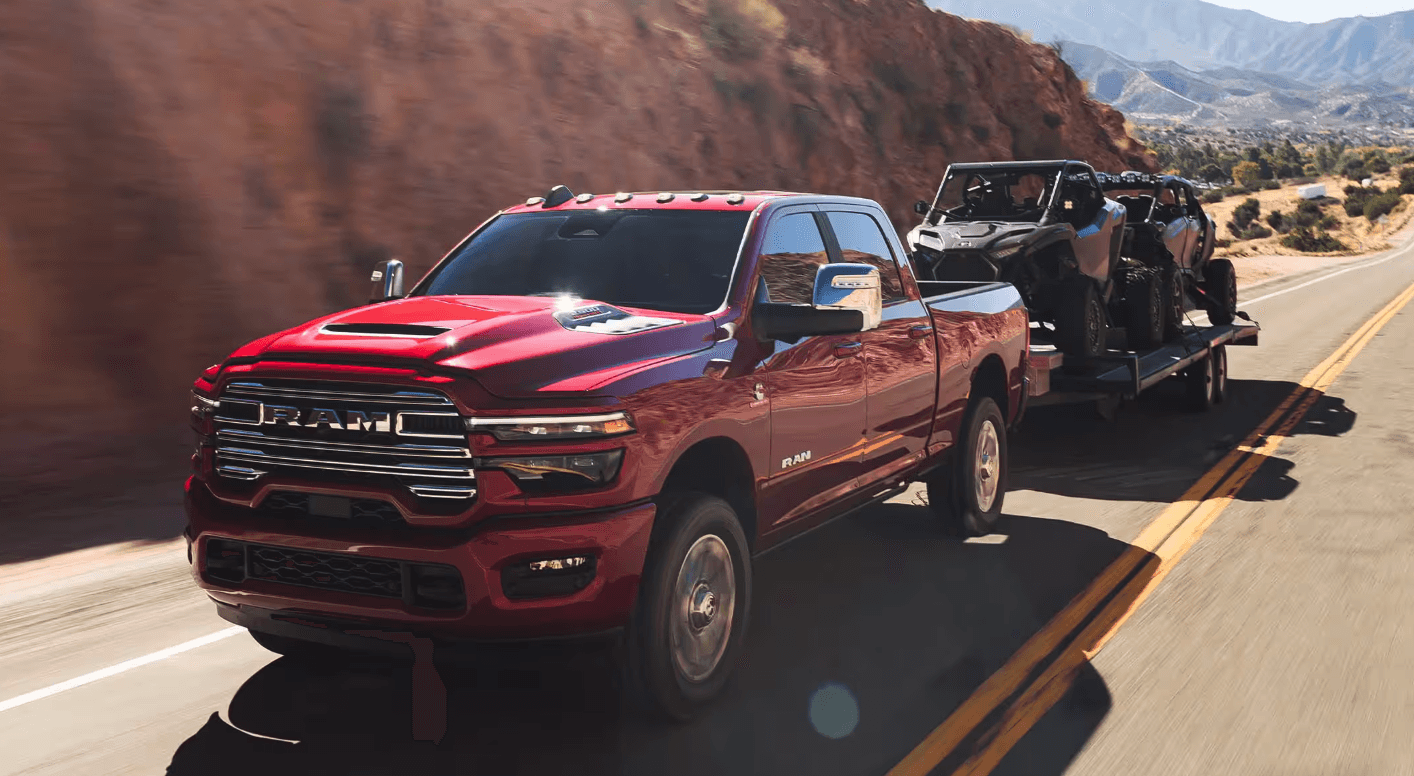 The Ram 1500 maxes out at 12,750 pounds with the HEMI V8, and in its most powerful configuration, it can tow up to 11,550 pounds. While less than Ford’s maximum, it covers most towing needs. Most boat trailers, campers, and equipment loads fall within this range.
Payload capacity follows a similar pattern. Ford offers over 2,400 pounds of maximum payload versus Ram’s 2,300 pounds. These numbers matter for heavy loads, like contractor supplies or farmer equipment.
Ram’s rear coil-spring suspension changes towing significantly. It provides better stability and control, reducing tail-wagging. The optional air suspension ($1,995) automatically levels the truck and adjusts ride height.
We’ve towed various loads with both trucks across Louisiana highways. The Ford delivers impressive capability and feels confident with maximum loads. The Ram provides a more composed, less fatiguing experience for longer hauls.
| Specification | Ford F-150 | Ram 1500 |
|---|---|---|
| Maximum Towing Capacity | 14,000 lbs | 12,750 lbs |
| Maximum Payload Capacity | 2,400+ lbs | 2,300 lbs |
| PowerBoost Hybrid Output | 430 hp / 570 lb-ft | N/A |
| Hurricane Engine Output | N/A | 420 hp / 469 lb-ft |
| 0-60 MPH (Top Engine) | 5.0 seconds | 4.8 seconds |
Fuel Efficiency and Real-World MPG
Fuel economy is a big ongoing cost for truck owners. Both manufacturers have made strides in efficiency. Knowing realistic fuel consumption helps budget and choose the right powertrain.
In our testing across Louisiana roads, both trucks achieved 16 MPG in mixed driving. This includes city commuting, highway cruising, and some light towing. These numbers are slightly below EPA estimates due to real-world variables.
The highway cruising test showed differences. At 75 mph, the Ford PowerBoost hybrid delivered 20 MPG. The Ram with the Hurricane engine achieved 18 MPG. This 2 MPG difference adds up over time, for those covering long distances.
Ford’s advantage extends beyond numbers. The F-150 offers a fuel tank over 30 gallons in many configurations. This provides over 600 miles of highway range, meaning fewer fuel stops on long trips. This is valuable for traveling across Louisiana’s spread-out geography or heading out of state.
The PowerBoost hybrid system delivers efficiency gains without compromising capability. You can tow confidently while achieving better fuel economy than conventional engines. The hybrid technology also provides instant torque from the electric motor, making the truck feel more responsive in daily driving.
Ram offers an available 3.0L EcoDiesel engine that we didn’t test in this comparison. This option provides exceptional torque and fuel economy for drivers who prioritize efficiency above all else. Diesel engines typically excel in highway cruising and towing efficiency, though they carry a significant upfront cost premium.
Your actual mileage will vary based on several factors. Driving habits make the biggest difference—aggressive acceleration and high speeds significantly reduce efficiency. Tire choice matters too, with larger off-road tires creating more rolling resistance. Payload and towing obviously impact fuel consumption, sometimes dramatically.
We recommend considering your typical usage patterns when evaluating fuel economy. If you mostly drive highway miles, the efficiency difference between these trucks becomes more meaningful. If you make short trips around town with occasional towing, both trucks will deliver similar results. At Autoplex 2000, we help Louisiana drivers understand these trade-offs so you can choose the powertrain that best matches your specific needs.
Ford F-150 vs Ram 1500: Features, Comfort, and Value
Performance specs only tell part of the story. What really sets these trucks apart is how they treat you every day. Each truck has an edge in different areas: the Ram 1500 stands out for its luxurious interior and superior fit and finish in higher trims, while the Ford F-150 has a more user-friendly interior layout and offers strong value in technology and capability. We’re looking at features like comfort, technology, safety, and pricing to see which truck offers better value for your lifestyle.
Modern truck buyers want refinement and capability. These trucks are not just for work anymore. They’re family vehicles that need to be comfortable like luxury SUVs but also handle tough tasks. Both the Ford F-150 and Ram 1500 offer advanced infotainment systems that can be upgraded to larger displays, and both feature heated and ventilated seating options for enhanced comfort.
Interior Quality and Cabin Space
Inside the Ram 1500, you’ll find a luxurious feel. Ram has used soft-touch materials, quilted leather, and real wood trim. It feels more like a premium SUV than a work truck.
The Ram has best-in-class rear legroom. This means backseat passengers get comfortable on long drives. The reclining rear seats add extra comfort, perfect for road trips. The cabin is spacious and has thoughtful storage solutions.
Ford takes a different approach with the F-150’s interior. It focuses on durability and functionality. Higher trims add refinement. The controls are intuitive, making everything easy to reach.
The shifter design is a notable difference. The F-150 has a traditional column-mounted shifter. The Ram uses a rotary dial on the center console, which looks modern but takes getting used to.
Both trucks offer crew cab configurations with space like full-size SUVs. They can seat six people with the right seats. The Ram’s middle seat can turn into a console with storage and cupholders.
Visibility is key in these large vehicles. The F-150 has design elements to help drivers see around the truck. This makes parking and jobsite maneuvering easier.
Truck Bed Features and Utility
The truck bed is where these vehicles shine. Both offer multiple bed lengths for different needs. We’ll look at features that make them useful in real-world situations.
The debate between Ram and Ford extends to bed management systems. Both offer spray-in bedliners and LED bed lighting. These features are great for night work or loading after dark.
Tie-down points and bed-mounted power outlets turn these beds into mobile workshops. You can secure loads properly and run power tools without generators. These features are essential for working away from power sources.
Bed dimensions and payload capacity determine real-world usefulness. Both trucks have enough space for construction materials, recreational equipment, or any cargo your work or lifestyle demands.
Bed Length and Cab Size Options
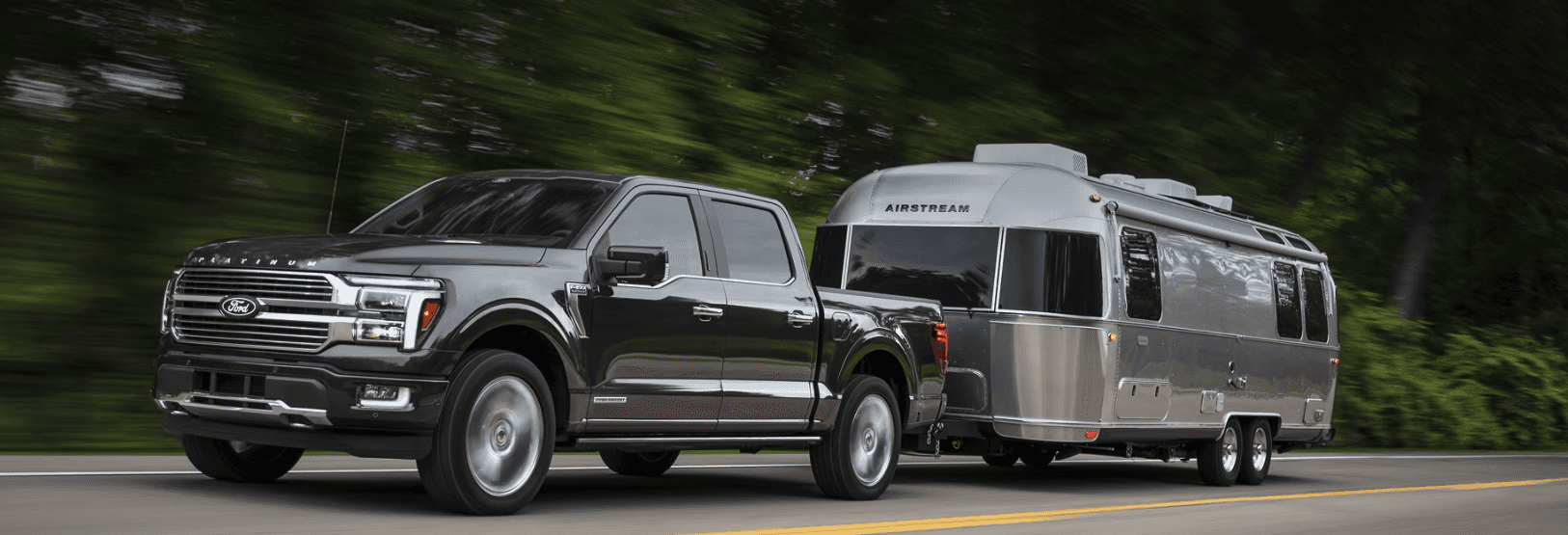
Choosing the right bed length and cab size is crucial when shopping for a truck, as it directly affects how much you can haul and how comfortable your passengers will be. The Ford F-150 offers three bed lengths—5.5 feet, 6.5 feet, and 8 feet—paired with either the SuperCab or SuperCrew cab styles. This flexibility allows you to prioritize either maximum cargo space or extra interior room for your crew. The Ram 1500 matches this versatility with its own range of options: 5 feet 7 inches, 6 feet 4 inches, and 8 feet beds, available with either the Quad Cab or Crew Cab. Whether you need a truck for hauling equipment, towing a trailer, or carrying family and friends, both the Ford F-150 and Ram 1500 provide configurations to fit your lifestyle. The right combination of bed and cab ensures you get the interior space you need without sacrificing the hauling and towing capabilities that make these trucks so popular.
Technology and Infotainment Systems
Modern trucks are mobile offices and entertainment centers. Both the F-150 and Ram 1500 have sophisticated technology. They keep you connected and entertained, but in different ways.
Ram’s Uconnect 5 system has touchscreens up to 14.5 inches. The vertical screen orientation makes menu visibility excellent. Wireless Apple CarPlay and Android Auto integration work seamlessly, and updates are available over the air.
Ford’s SYNC 4 system has a 12-inch horizontal touchscreen. It has dedicated physical climate controls below the display. This is a thoughtful design for Louisiana drivers who adjust the air conditioning often.
Both systems offer wireless smartphone connectivity, navigation, and voice command. Response times are quick, and the interfaces are logical once you learn them. Wi-Fi hotspots turn the cabin into a mobile internet zone.
Premium audio systems are available on both trucks. They deliver impressive sound quality that enhances long drives or makes work less monotonous. The larger cabins provide good acoustics despite the truck environment.
Ford’s Pro Power Onboard feature is worth mentioning. It transforms the truck into a mobile generator. This supplies enough electricity to power tools, tailgate equipment, or even emergency home backup during power outages. It’s a practical feature we’ve seen.
Safety Features and Ratings
Safety technology has advanced in recent trucks. Both manufacturers have equipped their vehicles with driver assistance systems. These systems reduce accident risk and ease driver fatigue during long trips.
Adaptive cruise control maintains set speeds and adjusts distance from vehicles ahead. This feature is great on highway drives, reducing the need for constant speed adjustments. Both trucks execute this function smoothly without abrupt braking or acceleration.
Lane-keeping assist prevents unintentional lane departure. The systems use cameras to monitor road markings and provide steering corrections or warnings. This feature is a lifesaver on long stretches of interstate.
Blind-spot monitoring addresses the challenges of maneuvering large vehicles. Sensors detect vehicles in adjacent lanes and alert you before lane changes. This feature is invaluable in traffic.
Both trucks offer 360-degree camera systems. These systems help navigate tight parking spaces, align trailer hitches, and maneuver safely around jobsites. The bird’s-eye view is invaluable when precision matters.
Forward collision warning and automatic emergency braking provide critical last-resort protection. These systems monitor traffic ahead and can apply brakes if they detect imminent collisions. While you should never rely on them exclusively, they add important safety layers.
Specific crash test ratings should be verified with current IIHS and NHTSA data. Both manufacturers prioritize safety engineering in their truck lines.
Resale Value and Cost of Ownership
When investing in a new truck, it’s important to look beyond the sticker price and consider the long-term value. Both the Ford F-150 and Ram 1500 are known for their strong resale value, thanks to their reputation for reliability and durability. However, the true cost of ownership includes more than just the initial price—it also factors in fuel efficiency, maintenance, and insurance. The Ford F-150 stands out with its available hybrid powertrain, offering better fuel economy and potentially lower running costs over time. Both trucks are designed to minimize unexpected expenses, with comprehensive warranties and maintenance plans that help keep your vehicle in top shape. To determine which truck is the smarter financial choice, it’s wise to calculate the total cost of ownership, including how much you’ll pay for fuel, routine service, and potential repairs. By weighing these factors alongside resale value, you can confidently choose the Ford F-150 or Ram 1500 that best fits your budget and long-term needs.
Visit Us Today
The debate between the ford f-150 and ram 1500 doesn’t have a clear winner. Both are top choices in America, and both trucks stand out among other cars and vehicles in their class. The F-150 has better towing and a hybrid option for 20 MPG highway. It also drives more smoothly and offers hands-free highway driving with its Ford Blue Cruise feature.
The Ram 1500, on the other hand, offers a softer ride and luxury inside. As a Dodge pickup, it’s built to dodge challenges on the road and off. The new Ram is the latest model in the lineup, bringing updated features and performance. It’s perfect for long drives.
Both trucks offer impressive off-roading capabilities, with specialized trims designed for rugged terrain and outdoor adventures. When it comes to ride quality, the F-150’s suspension provides a confident, controlled feel, while the Ram 1500’s coil-spring setup delivers a plush, comfortable ride. The F-150’s interior is especially user-friendly, with intuitive controls and an easy-to-use infotainment system.
Your needs decide which truck is best for you. Want to tow a lot? The F-150 is your best bet. Need comfort for long hours? Ram’s your go-to. Looking for a hybrid? The PowerBoost is your choice. Prefer luxury inside? Ram wins there.
But specs don’t tell the whole story. We suggest trying both trucks at Autoplex 2000 in Louisiana. Our team can help you choose the right one for your needs.
Our sales team will talk about deals and financing options. They’ll help you pick the right truck. Our service department will keep your truck running well for years.
Ready to find your new truck? Visit our showroom, call us, or check our online inventory. Start your journey with confidence.
FAQ
Which truck is better for towing heavy loads in Louisiana—the Ford F-150 or Ram 1500?
The Ford F-150 has superior towing power, leading its class with a towing capacity of up to 14,000 pounds when properly equipped. It’s great for hauling large trailers or heavy equipment in Louisiana. On the other hand, the Ram 1500 offers better towing stability and comfort. Its air suspension makes long trips easier.
If you often tow at or near the maximum capacity, choose the F-150 for its unmatched towing power. For a smoother experience, the Ram 1500 is the better choice.
How do the Ford F-150 and Ram 1500 compare in terms of fuel efficiency?
Both trucks have similar fuel economy for full-size pickups. The Ford F-150’s PowerBoost hybrid has better highway mileage. This is helpful for long drives in Louisiana.
The Ram 1500’s eTorque system improves efficiency and low-speed torque. Your driving habits and choices will affect fuel mileage. The hybrid F-150 might offer better fuel efficiency.
Which pickup truck has a more comfortable interior for daily driving and long trips?
The Ram 1500 has the most upscale interior in the segment. It feels like a luxury SUV. The Ford F-150 also has a comfortable cabin, but the Ram 1500 is more luxurious.
If you value luxury and comfort, choose the Ram 1500. The F-150 is comfortable too, but the Ram 1500 is more refined.
Which truck offers better value for the money?
Pricing depends on configuration. Ford offers more options, giving you control over features. Ram bundles luxury features at mid-level trims.
As-tested, Ford might offer better value. But this varies by configuration and incentives. Visit Autoplex 2000 for personalized advice.
Can I test drive both the Ford F-150 and Ram 1500 at Autoplex 2000?
Absolutely! Test driving both trucks is essential. At Autoplex 2000, you can compare them side-by-side. Our team will guide you without pressure.
Contact us, visit our showroom, or explore our inventory online. Start your truck-buying journey with confidence.
Which truck is better for off-road driving and rough terrain?
Both trucks have off-road trims with features like skid plates and locking differentials, making them suitable for off-roading. The F-150’s Raptor is more aggressive, while the Ram Rebel balances off-road and on-road comfort.
For Louisiana drivers, both trucks are great for off-road adventures. The F-150 Raptor is the best for extreme off-road performance, but it’s more expensive.
How do maintenance costs and long-term reliability compare between the Ford F-150 and Ram 1500?
Both trucks have extensive dealer networks and parts availability. Ford has a broader powertrain lineup, while Ram’s engines are simpler. Both trucks have improved reliability in recent generations.
At Autoplex 2000, our service department can maintain either truck. Regular maintenance will keep your truck running reliably for years.
Which truck is better for hauling equipment and materials in the truck bed?
Ford generally offers higher maximum payload ratings. This is important for hauling heavy tools or materials. Both trucks have ample payload for most users.
Consider bed length options for different hauling needs. The practical differences are small. Verify specific configurations’ ratings for maximum payload.
0 comment(s) so far on Ford F150 vs Ram 1500: Which Truck Wins